

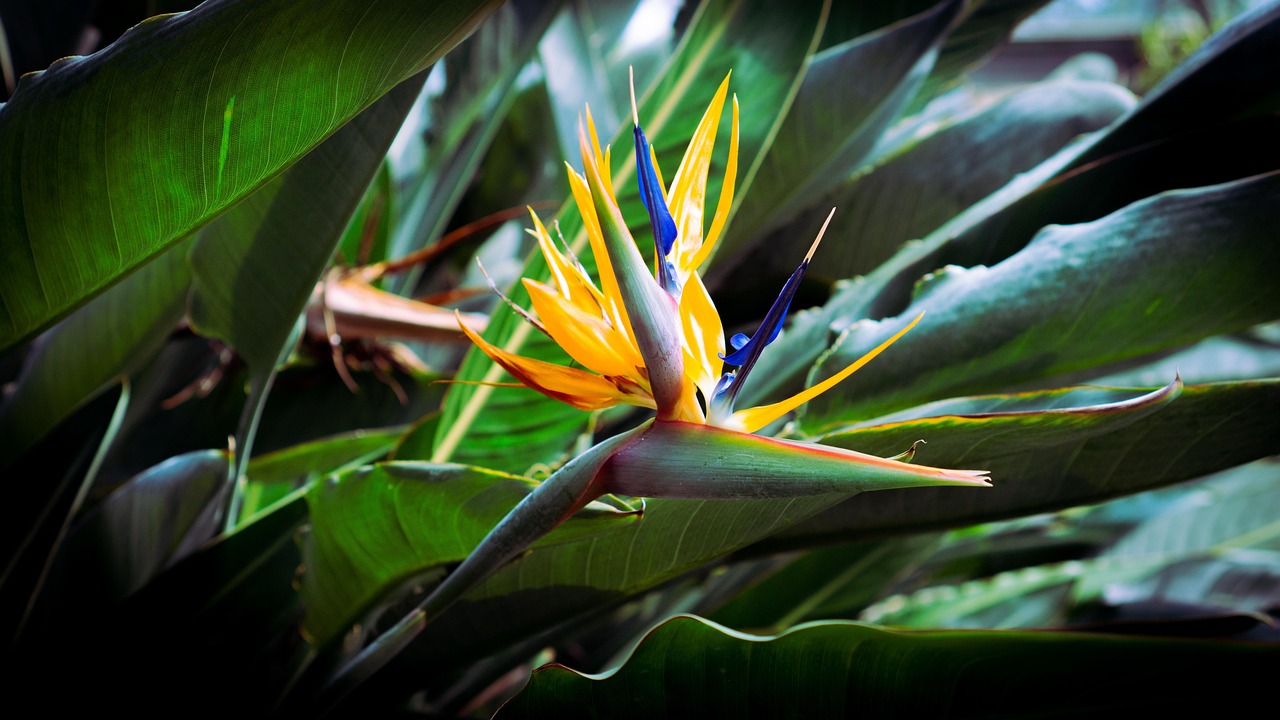
Bird of Paradise – Complete Guide to Habitat, Behavior, and Unique Traits
Introduction
The Birds of Paradise, belonging to the family Paradisaeidae, are among the most spectacular and fascinating birds on Earth. Known for their extravagant plumage, elaborate mating dances, and vibrant colors, these birds are native primarily to Papua New Guinea and parts of eastern Indonesia. Despite their fame, many aspects of their biology, behavior, and ecological role remain little-known, making them a treasure trove for ornithologists and wildlife enthusiasts.
Physical Characteristics
Birds of Paradise exhibit an extraordinary variety of shapes, sizes, and colors, ranging from the small king bird-of-paradise to the large ribbon-tailed species. Males are usually more vividly colored than females, who rely on cryptic coloration to avoid predators while nesting. Some species have elongated tail feathers or elaborate head plumes that play a key role in courtship displays.
Unique Features
- Plumage Diversity: Their feathers can display iridescence and structural colors that change with the angle of light, an adaptation for visual signaling during mating rituals.
- Vocal Mimicry: Some species can mimic environmental sounds such as waterfalls or other bird calls to attract females.
- Feather Morphology: Certain species possess feathers with microscopic hooks and spirals, creating unique textures and sounds when males shake them during displays.
Habitat and Distribution
Birds of Paradise are primarily forest dwellers, inhabiting tropical rainforests, montane forests, and occasionally secondary forests. They prefer dense canopies but often descend to the forest floor to forage for fruits, insects, and small vertebrates. While most species are endemic to Papua New Guinea, a few are found in parts of eastern Indonesia, including the Maluku Islands.
Microhabitat Preferences
Recent field observations suggest that some Birds of Paradise have highly selective microhabitat preferences. For example, they may favor areas with specific combinations of epiphytes, lianas, and moss cover that provide optimal perches for display, concealment from predators, and feeding efficiency. These preferences seem to vary seasonally, likely in response to changes in insect abundance and fruiting patterns.
Diet and Foraging Behavior
Birds of Paradise are primarily frugivorous but also consume insects, small reptiles, and occasionally nectar. Their diet varies seasonally, with insects providing critical protein during the breeding season.
Unique Foraging Techniques
- Perch-Hunting: Many species employ a strategy of remaining still on elevated perches before lunging at prey or snatching fruit.
- Insect Flushing: Certain species use their long tail feathers to startle insects hidden in foliage, increasing capture efficiency.
- Fruit Caching: Rare observations indicate that a few species may temporarily store excess fruits in moss pockets or tree bark crevices, a behavior previously undocumented in this family.
Reproduction and Mating Rituals
The Birds of Paradise are famous for their complex courtship behaviors. Males often clear specific display courts, known as leks, and perform intricate dances, showing off their plumage and vocal abilities to visiting females.
Breeding Behavior
- Lek Display: Males gather in traditional display sites where each individual performs repeated routines, including wing flicking, tail spreading, and head movements.
- Feather Vibrations: Some species generate subtle sounds by vibrating specialized feathers, which may convey fitness information to females.
- Cooperative Display: In rare cases, young males assist older males by rehearsing movements, possibly as a learning mechanism for future breeding success.
Vocalization and Communication
Birds of Paradise produce a wide variety of calls, ranging from whistles and clicks to mimicry of other environmental sounds. Vocalization plays a critical role in both mating and territory defense.
Advanced Communication Methods
Observations suggest that certain species utilize a combination of visual cues (plumage display, wing movements) and subtle acoustic signals (feather rustle) to communicate in dense forest habitats where long-distance calls might be less effective.
Adaptations and Survival Strategies
Birds of Paradise display several remarkable adaptations that help them survive in competitive tropical ecosystems:
- Camouflage for Females: While males are conspicuous, females are camouflaged, blending into the foliage to protect nests and young.
- Dietary Flexibility: Ability to switch between fruit, insects, and small vertebrates allows them to survive periods of low fruit availability.
- Specialized Feet: Strong, flexible toes allow secure perching on thin branches and vertical surfaces during elaborate displays.
- Structural Coloration: Iridescent feathers reduce predation by confusing predators or blending with dappled forest light.
Interaction with Humans
Birds of Paradise have captivated humans for centuries, inspiring cultural symbols, ornaments, and conservation efforts. Historically, their feathers were highly prized, leading to overhunting in some regions. Modern conservation focuses on habitat preservation and ecotourism initiatives that promote sustainable observation without disturbance.
Fascinating Facts
- Some species perform coordinated dances involving multiple males, increasing overall display effectiveness and attracting more females.
- Birds of Paradise are capable of learning and mimicking sounds within their habitat, including machinery, human voices, and other animal calls.
- Despite their flashy appearance, these birds can live for over 10 years in the wild, showing resilience to occasional habitat disturbances.
- They participate in seed dispersal, playing an important ecological role in maintaining rainforest diversity.
- Recent observations indicate some species may use specific display branches year after year, suggesting a form of territorial memory.
Conclusion
The Birds of Paradise are among the most extraordinary avian species, combining spectacular visual displays, complex behaviors, and ecological importance. Their adaptations to tropical forests highlight the intricate balance of evolution and environmental pressures. By understanding their biology and promoting conservation, we can ensure that these mesmerizing birds continue to thrive and inspire future generations.
