


Introduction
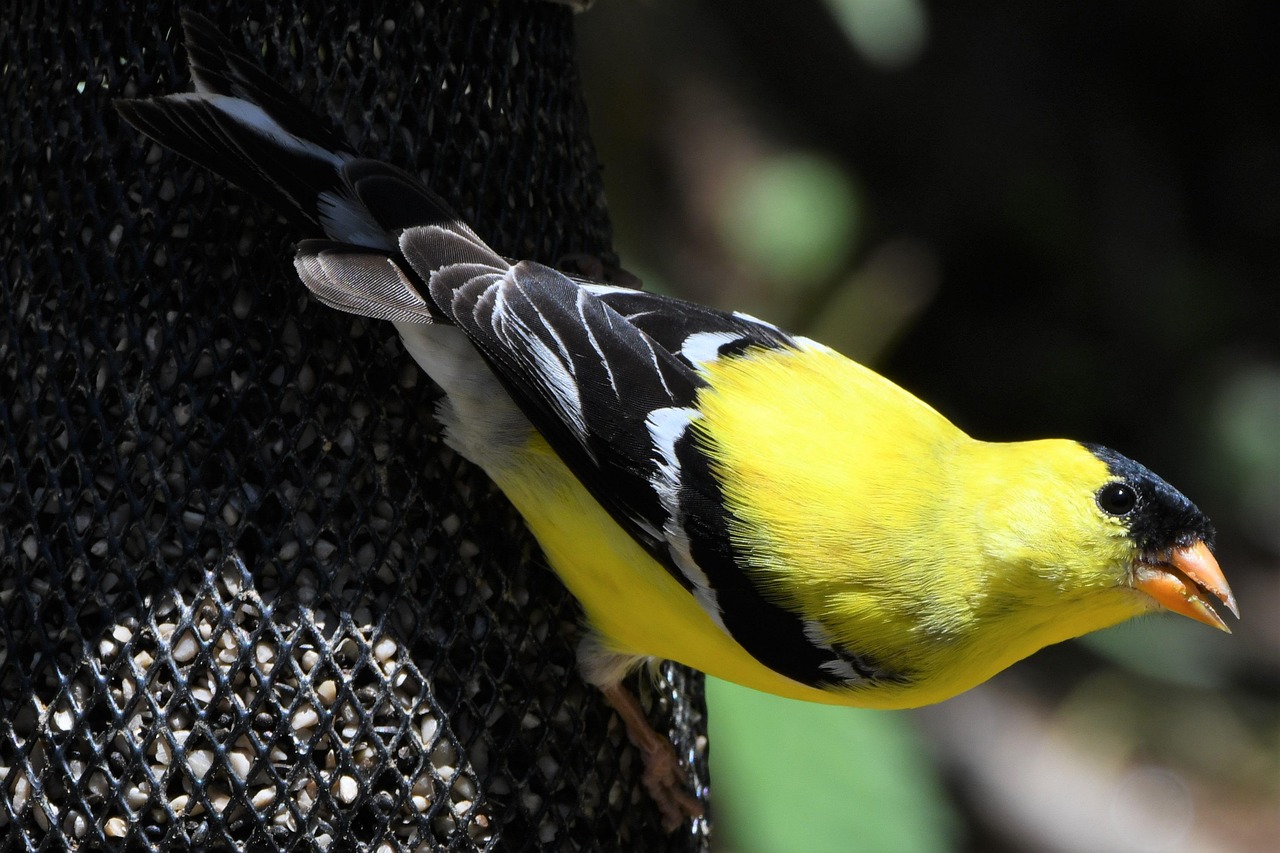
Finches are small, colorful birds that bring beauty and life to any garden. Known for their cheerful chirping, bright plumage, and social behavior, Finches (family Fringillidae) are favorites among bird watchers and gardeners. This guide provides detailed information about attracting, feeding, and caring for Finches in your home garden, as well as insights into their habitat, breeding habits, and ecological role.
Identification and Physical Features
Finches are generally small birds, ranging from 10–18 cm in length. They are known for their vibrant colors, which can include shades of red, yellow, orange, green, and brown. Males are often more brightly colored than females, who usually have subtler tones for camouflage. They have short, conical beaks ideal for eating seeds, and their long tails aid in balance and flight.
Distinctive Features
- Plumage: Vibrant colors such as red, yellow, orange, green, or brown depending on the species.
- Beak: Short and strong, conical in shape, perfect for cracking seeds.
- Size: Small, agile birds, ideal for garden environments.
- Tail: Long and sometimes forked for stability during flight.
Habitat and Distribution
Finches are widely distributed across the globe, commonly found in Europe, Asia, Africa, and the Americas. They prefer gardens, orchards, hedgerows, and woodland edges. Providing shrubs, trees, and flowering plants in your garden creates an ideal environment for them.
Preferred Garden Features
- Native shrubs and small trees for shelter and nesting.
- Flowering plants and seed-bearing grasses for natural food sources.
- Quiet areas with minimal disturbance for safety.
- Fresh water sources such as shallow birdbaths.
Behavior and Social Structure
Finches are social birds that often form flocks, especially outside the breeding season. They communicate through soft chirps, trills, and songs. During the breeding season, males perform courtship displays and sing to attract females. Observing finches in your garden can provide insights into their complex social behaviors, including hierarchy, territoriality, and mating rituals.
Daily Activity
- Morning: Foraging for seeds, singing, and interacting with flock members.
- Midday: Preening and resting in shaded areas.
- Evening: Communal feeding and roosting preparation.
- Night: Roosting in dense shrubs or trees for protection.
Feeding and Diet
Finches are primarily seed-eaters, but they also enjoy fruits and small insects. Their diet supports vibrant plumage and healthy growth. In your garden, offering a variety of foods will encourage them to visit regularly.
Types of Food to Offer
- Seeds: Sunflower seeds, millet, nyjer (thistle seed), and mixed birdseed.
- Fruits: Berries, apple slices, grapes, and pears.
- Insects: Small caterpillars, mealworms, and other soft insects, especially during breeding season.
- Nectar: Some finch species enjoy small amounts of sugar water.
Feeding Tips
- Use feeders designed for small birds, including tube feeders and shallow trays.
- Keep food fresh and replace daily to prevent mold.
- Offer a variety of seeds and fruits to mimic a natural diet.
- Provide water for drinking and bathing.
Breeding and Nesting
Finches are monogamous during the breeding season and build cup-shaped nests from grass, feathers, and plant fibers. Nests are often placed in dense shrubs or small trees, providing protection from predators. Females lay 3–6 eggs, incubating them for about 12–14 days. Both parents participate in feeding the chicks until they fledge, usually after 14–18 days.
Encouraging Nesting in Your Garden
- Install small nest boxes or platforms in safe, quiet areas.
- Provide nesting materials such as dried grass, feathers, and soft twigs.
- Ensure minimal disturbance to reduce stress for breeding pairs.
- Offer protein-rich foods like insects to support chick development.
Seasonal Care Tips
Finches benefit from seasonal care to maintain health and attract them year-round:
Spring
- Provide fresh seeds and insects to support breeding and chick growth.
- Clean feeders and nesting areas regularly.
- Maintain dense foliage for shelter and protection.
Summer
- Ensure access to water for drinking and bathing.
- Provide shaded areas to prevent heat stress.
- Continue offering diverse food to support active young birds.
Autumn
- Introduce seasonal fruits like berries to supplement diet.
- Maintain clean feeders and water sources.
- Prepare shrubs and trees for winter protection.
Winter
- Provide high-energy seeds such as sunflower seeds to maintain body heat.
- Ensure constant access to fresh water, even in freezing conditions.
- Offer dense shrubs or additional nest boxes for shelter and protection.
Interacting with Other Birds
Finches usually coexist peacefully with other garden birds but may compete for food or nesting sites during breeding season. To encourage harmony:
- Provide multiple feeders to reduce competition.
- Plant a variety of shrubs and trees to offer diverse food sources.
- Observe their flocking behavior and interactions with other species.
- Use different types of food for different species simultaneously.
Common Challenges and Solutions
- Predators: Cats, hawks, and snakes can threaten finches. Solution: use elevated feeders and dense shrubs for protection.
- Food shortages: Maintain consistent supply of seeds, fruits, and insects.
- Competition: Provide multiple feeders and nesting areas.
- Disease: Regularly clean feeders, water sources, and nesting platforms.
Ecological Importance
Finches play a key role in ecosystems by dispersing seeds, pollinating plants, and controlling insect populations. By attracting finches, you contribute to biodiversity and the natural balance of your garden.
Interesting Facts
- Finches are among the most colorful and diverse small birds worldwide.
- Many species have distinctive songs and calls that vary regionally.
- Finches help maintain healthy plant populations through seed dispersal.
- They are highly social, often seen in flocks feeding, preening, or resting together.
Conclusion
Finches are lively, colorful, and beneficial birds for any garden. Providing food, water, and safe nesting opportunities attracts these birds and allows you to enjoy their presence year-round. Observing their behavior, understanding their needs, and caring for them strengthens your connection to nature and enhances your garden's ecosystem.

welcome
ReplyDelete