

Bulbul Bird Care Guide: Feeding, Habitat, and How to Attract Bulbuls to Your Garden
Introduction to the Bulbul Bird
The Bulbul bird is a small to medium-sized bird known for its melodious singing and lively personality. Native to tropical and subtropical regions, bulbuls are commonly found across Africa, the Middle East, and Asia. They are popular among bird lovers and garden enthusiasts due to their attractive appearance and cheerful nature. These birds bring color, sound, and vitality to any garden, making them a favorite for both novice and experienced gardeners.
Physical Characteristics
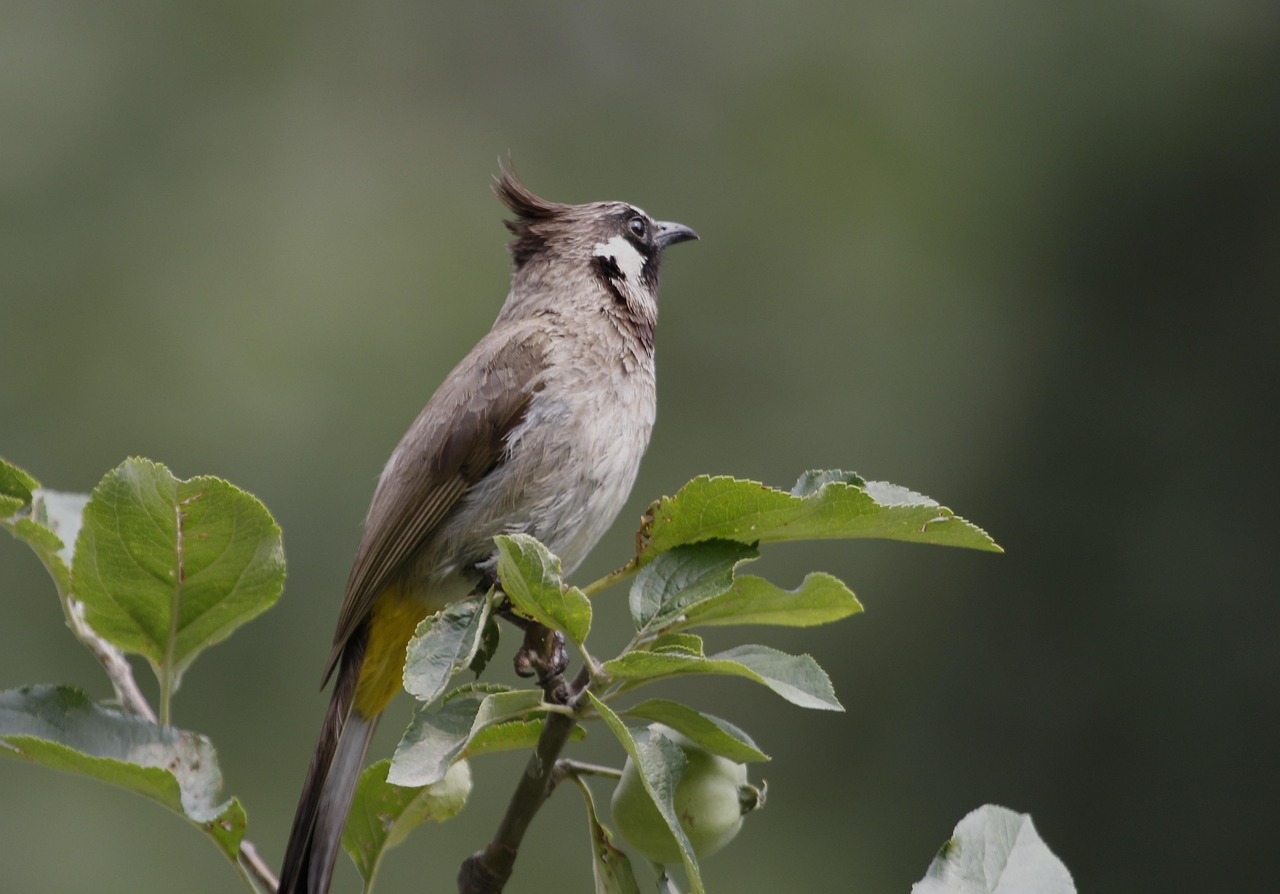
Bulbuls have a distinct appearance: a soft brown body with a darker head, a slender bill, and sometimes a slightly crested crown depending on the species. Their tail is medium-length and often has a slight fork. Some species display brighter colors such as yellow, red, or white patches on the feathers. Adult bulbuls typically measure between 18 to 25 centimeters in length and weigh around 40 to 70 grams. The combination of subtle and bright feathering makes them easy to spot in trees and shrubs.
Natural Habitat
Bulbuls thrive in areas with dense shrubs, trees, and gardens. They are highly adaptable birds and can live in urban, suburban, and rural environments. They prefer areas with plenty of foliage to hide from predators and to nest safely. These birds often choose gardens that have flowering plants, fruit-bearing trees, and shrubs that provide both food and shelter. Their adaptability allows them to flourish in both warm and moderate climates, making them a frequent visitor in many regions.
Diet and Feeding Habits
Bulbuls are omnivores and feed on a variety of foods, including:
- Fruits: berries, figs, small tropical fruits, and soft-skinned fruits like bananas and papayas.
- Seeds: sunflower seeds, millet, and other small grains.
- Insects: beetles, caterpillars, grasshoppers, and small invertebrates.
- Nectar: from flowers, especially during flowering seasons.
To feed bulbuls in your garden, you can provide a mix of fresh fruits and seeds in feeders. Make sure the food is fresh and clean to prevent diseases. Offering seasonal fruits like berries during spring and summer will attract bulbuls consistently. In addition, planting flowering plants that produce nectar can encourage natural feeding behaviors.
Behavior and Social Interaction
Bulbuls are social and active birds. They communicate through melodious songs and calls, which vary by species. Their vocalizations are not only a means of communication but also a source of joy for garden owners. Bulbuls are territorial but can coexist with other birds if the garden provides enough resources. They display playful behaviors, such as chasing each other among branches, bathing in shallow water, and perching in groups on fruiting trees. Observing their interactions can enhance your garden experience.
Attracting Bulbuls to Your Garden
To attract bulbuls to your home garden, consider the following strategies:
- Plant native fruiting trees and shrubs that produce berries and small fruits.
- Install bird feeders with a variety of seeds and fresh fruits.
- Provide a water source such as a birdbath or shallow pond.
- Offer nesting spaces using shrubs, dense foliage, or small birdhouses.
- Minimize the use of pesticides to ensure a healthy environment and ample insect food supply.
- Include climbing plants and vines to create safe perches and hiding spots.
Care Tips for Home Garden Bulbuls
While bulbuls are wild birds, you can help them thrive in your garden by following these tips:
- Maintain a clean garden free of harmful chemicals.
- Ensure water is available year-round for drinking and bathing.
- Provide shelter with dense shrubs, climbing plants, or artificial birdhouses.
- Offer seasonal fruits that are safe and nutritious for them.
- Observe without disturbing them to enjoy their natural behavior.
- Regularly check feeders and water sources to remove old or contaminated food and water.
Breeding and Nesting
Bulbuls usually breed in spring and summer. They build cup-shaped nests in dense bushes or small trees, often hidden from view. Both male and female participate in feeding the chicks. The female typically lays 2–4 eggs, which are incubated for about 11–14 days. Supporting breeding in your garden involves providing safe nesting spots, minimizing disturbances near nesting areas, and ensuring a steady food supply during the breeding season.
Common Bulbul Species
Some popular bulbul species include:
- Red-vented Bulbul (Pycnonotus cafer) – Known for its distinctive red vent and melodious calls.
- White-eared Bulbul (Pycnonotus leucotis) – Recognizable by its white ear patch and social nature.
- Yellow-vented Bulbul (Pycnonotus goiavier) – Common in Southeast Asia, enjoys gardens and orchards.
- Himalayan Bulbul (Pycnonotus leucogenys) – Prefers higher altitudes with dense vegetation.
Health and Safety
Bulbuls can be affected by common bird diseases. To keep them healthy in your garden:
- Regularly clean feeding areas and birdbaths.
- Avoid overcrowding of food sources.
- Watch for signs of disease like unusual behavior, lethargy, or feather loss.
- Provide a balanced diet with fruits, seeds, and occasional insects.
- Consult a bird expert if needed for treatment or preventive care.
Environmental Benefits of Bulbuls
Having bulbuls in your garden offers ecological advantages:
- Pollination: By feeding on nectar, they help pollinate flowers.
- Seed dispersal: Eating fruits and berries, they disperse seeds naturally.
- Pest control: Feeding on insects helps control pests in your garden.
- Biodiversity: Their presence enhances the ecological balance and attracts other wildlife.
Fun Facts About Bulbuls
- Bulbuls are known for their melodious singing, often described as cheerful and musical.
- Some species are monogamous and mate for life.
- They can adapt to various environments, from city gardens to rural forests.
- Bulbuls often take dust baths to keep their feathers clean and free from parasites.
- Their playful and active nature makes them a favorite among birdwatchers.
Conclusion
The Bulbul bird is a charming and delightful visitor for any home garden. By providing food, water, shelter, and a safe environment, you can attract these melodious birds and enjoy their presence year-round. With proper care, observation, and respect for their natural behaviors, bulbuls can thrive and bring joy to your garden while supporting local biodiversity. Cultivating a garden that welcomes bulbuls enhances your outdoor space aesthetically, ecologically, and emotionally.
